
Ancient Egypt Beyond the Pharaohs
Everyday Life Along the Nile
When people think of ancient Egypt, images of pyramids, the Great Pyramid, the royal family, and tomb walls often come to mind. Yet beyond monuments and royal decrees, ancient Egyptian daily life reveals how one of the most influential civilisations in human history truly functioned. From the early dynastic period through the Old Kingdom, Middle Kingdom, and New Kingdom, daily routines shaped the ancient Egyptian civilisation and its place in the ancient world.
For travellers and historians alike, understanding life in ancient Egypt adds depth to Egypt’s history. Many begin this exploration with experienced Egypt holiday specialists who focus on cultural understanding as well as iconic sites, helping visitors appreciate ancient Egyptian culture as a lived experience rather than a collection of ruins.
What Did Everyday Life Along the Nile Look Like?
Life along the Nile formed the backbone of Egyptian society. The Nile River flooded each year, depositing silt across the Nile Valley and Nile Delta, creating very fertile land that sustained farming communities in Upper Egypt and Lower Egypt. This fertile land allowed Egypt’s wealth to grow and supported one of the most stable societies in human history.
Most Egyptians lived in villages close to the river. In Upper and Lower Egypt, settlements relied on cooperation to manage irrigation and harvest crops. This connection to the Nile civilisation defined ancient Egyptian life and explains why Egyptian society remained resilient through the Early Dynastic Period, Middle and New Kingdoms, and even the Intermediate Periods.
How Did Egyptians Live Day to Day in Ancient Egypt?
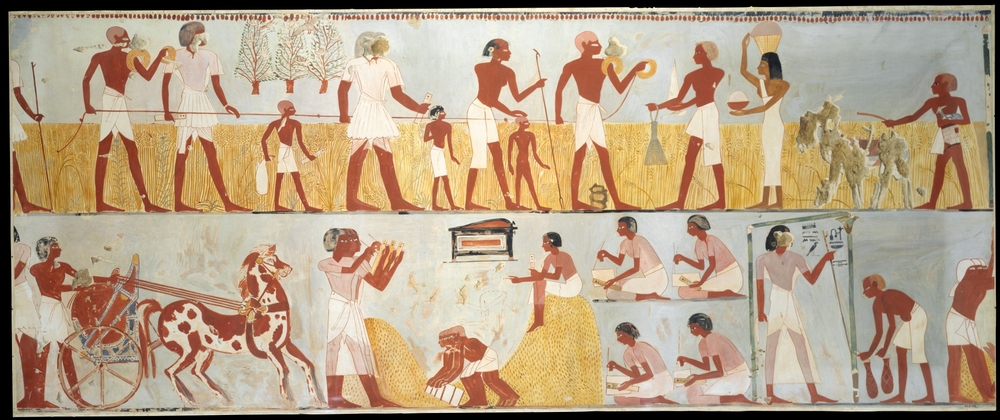
A common question in Egyptian history is how Egyptians lived their everyday lives. Most Egyptians rose at sunrise and worked according to agricultural cycles or craft responsibilities. Farmers cultivated grain, artisans worked with stone and metal, and government officials oversaw taxation and labour.
In many ways, this structure was the foundation of the ancient Egyptian social system, determining where people lived, what they wore, and the type of work they were expected to do. While the upper classes enjoyed greater comfort, manual labourers and the labour force carried out physically demanding work. Understanding how Egyptians lived highlights how ancient Egyptian society functioned efficiently despite clear social classes.
Food and Drink in Ancient Egypt
The Egyptian diet was simple but effective. Bread and beer formed the foundation of daily life and were consumed by most Egyptians regardless of status. Fish from the Nile River, vegetables grown in fertile land, and occasional meat supported ancient Egyptian life.
Food production contributed directly to Egypt’s wealth and stability. This practical diet sustained the labour force during large building projects, including those associated with the Great Pyramid during the Old Kingdom.
Clothing, Appearance, and Personal Grooming in Ancient Egypt
Clothing reflected climate, status, and cultural identity. Women wore linen dresses, while men wore kilts, with garments made from flax grown in the Nile Valley. Ancient Egyptian women could own property and manage households, giving them a status uncommon in many ancient cultures.
Personal grooming held religious significance. Egyptians believed cleanliness protected the human body and soul. Kohl, jewellery, and amulets were common across social classes, reflecting the importance of appearance within the entire culture.
Family Life, Marriage, and the Household in Ancient Egypt
Family life formed the core of Egyptian life. Households built from mud bricks often included extended family members. Marriage reinforced social stability, and children learned skills through observation and participation.
Lower-class women worked within the household and fields, while upper-class women managed estates. Across Egyptian society, family structures supported continuity through the Old Kingdom, Middle Kingdom, and New Kingdom.
Inside an Ancient Egyptian Home
Homes constructed from mud bricks were designed for practicality. Interiors were simple, with storage jars, grinding stones, and cooking areas. These homes reflect everyday life and how most Egyptians lived.
Communities relied on shared labour, and community leaders helped organise resources. Villages such as Deir el-Medina show how skilled workers lived under structured systems rather than constant forced labour.
Religion in Ancient Egyptian Life
Religion permeated every aspect of ancient Egyptian culture and history. Egyptians believed the gods governed nature, health, and the afterlife. The Egyptian pantheon included deities such as the goddess Isis and the god Osiris, central figures in religious literature and magical rituals.
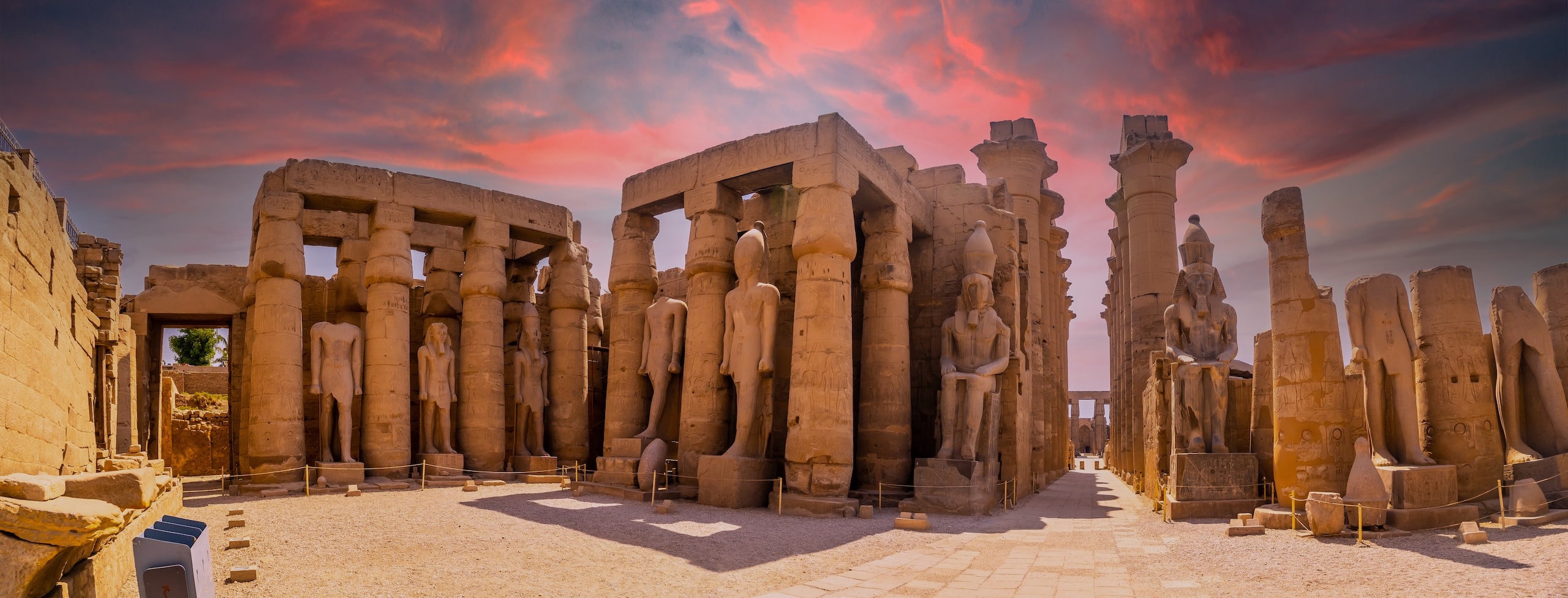
Religious rituals and ceremonies took place daily, from household offerings to mortuary rituals designed to preserve the human body for the afterlife. Major temples such as Karnak Temple played key roles during the New Kingdom and under New Kingdom pharaohs.
Entertainment, Games, and Leisure Activities in Ancient Egypt
Despite hard work, leisure was valued. Board games were popular among both children and adults, reflecting beliefs about fate and the afterlife. Music, dance, and storytelling provided balance within ancient Egyptian everyday life.
Sports such as wrestling and swimming were common along the Nile River, contributing to physical health and community bonding in ancient Egyptian society.
Festivals and Seasonal Celebrations in Ancient Egypt
Festivals marked key moments in Egyptian history and agriculture. These celebrations reinforced unity across Upper and Lower Egypt and connected communities to the Nile’s cycles.
Public festivals allowed native Egyptians and later foreign rulers during Ptolemaic Egypt to participate in shared traditions, maintaining cultural continuity through Macedonian and Ptolemaic Egypt and later Late Egyptian periods.
Health, Medicine, and Hygiene in Ancient Egypt
Medical knowledge combined practical treatment with spiritual belief. Broken bones, injuries from manual labour, and illness were treated using herbal remedies, bandages, and magical rituals.
Doctors believed illness could have spiritual causes, linking health directly to religious beliefs. Hygiene protected both physical health and spiritual purity.
Education, Literacy, and the Role of Scribes in Ancient Egypt
Education was limited to a small group. Only people training as scribes learned hieroglyphic writing and the ancient Egyptian language. They recorded royal decrees, tax records, and religious literature on papyrus scrolls.
Artefacts such as the Rosetta Stone later helped modern scholars understand Egyptian history and language, preserving Egypt’s place in human history.
Social Structure, Work, and Community Life in Ancient Egypt
This hierarchy formed the ancient Egypt social system, shaping everything from work roles to access to food, education, and legal status. The royal family and government officials sat at the top, followed by scribes, soldiers, and artisans. Farmers formed the majority of the labour force.
Egypt maintained a standing army during the New Kingdom, supporting expansion and protecting Egypt’s wealth. Social classes defined access to resources, and one’s social class shaped daily responsibilities.
What Were Some Challenges of Life in Ancient Egypt?
Life was not without hardship. Poor floods could lead to famine, and injuries from manual labour were common. Some Egyptians feared a worse fate in the afterlife if proper mortuary rituals were not performed.
Periods such as the First and Third Intermediate Periods tested social stability, yet Egyptian society endured through adaptation.
How We Know About Daily Life in Ancient Egypt
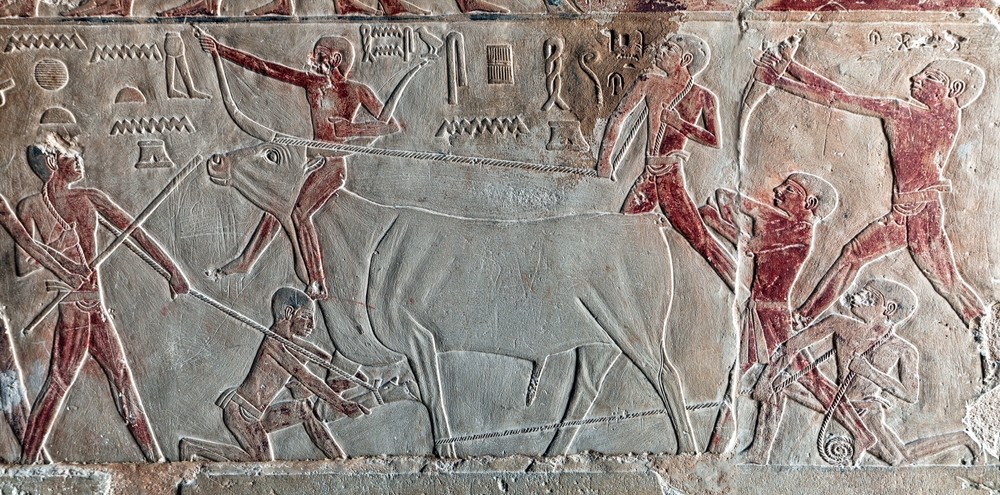
Knowledge of ancient Egyptian daily life comes from tomb walls, artefacts, papyrus scrolls, and settlements such as Deir el Medina. These sources reveal details of ancient Egyptian women, work routines, and social classes.
Written records and archaeological evidence allow historians to reconstruct life in ancient Egypt across the Old Kingdom, Middle Kingdom, New Kingdom, and later periods, including Ptolemaic Egypt.
Experiencing Ancient Egypt in Context
Understanding ancient Egyptian life transforms how Egypt is experienced today. Seeing temples, villages, and landscapes through the lens of everyday life connects monuments to real people and broader human history.
For those planning to visit Egypt, approaching the journey with knowledge of Egyptian culture, history, social structure, and daily routines creates a richer and more immersive experience.
Egypt Beyond the Pharaohs FAQs
How important was the Nile to ancient Egyptian daily life?
The Nile River was essential to ancient Egyptian daily life and supported agriculture, transport, and settlement across Upper and Lower Egypt. Its annual floods created very fertile land in the Nile Valley and the Nile Delta. This reliability allowed Egyptian society to flourish through multiple periods of Egyptian history. Without the Nile, the ancient Egyptian civilisation could not have survived.
Did ancient Egyptians have free time, and how did they relax?
Even with long working days, ancient Egyptian daily life still included downtime, especially during religious festivals and seasonal breaks linked to farming cycles. People relaxed with music, dancing, storytelling, and social gatherings within their communities. Board games were also popular and were enjoyed across different social classes. This balance between labour and leisure shows how Egyptians lived beyond survival, with culture woven into daily routine.
What role did social structure play in the daily life of ancient Egypt?
This structured hierarchy is often referred to as the ancient Egypt social system because it influenced almost every part of daily life and long-term stability. Farmers, artisans, scribes, and officials all had defined roles that supported the wider community. One’s social class affected access to resources and responsibilities. This structure allowed everyday life to function efficiently across long periods of Egyptian history.
Why is the Nile still important for visitors exploring ancient Egypt today?
The Nile remains vital for understanding ancient Egyptian life because it connects geography, religion, and settlement. Experiencing Egypt from the river reveals how trade, travel, and belief systems developed. For many visitors, taking a cruise on the River Nile offers the clearest insight into life along the Nile and the foundations of Nile civilisation.
Classic Egypt Tour
- 5* Luxury
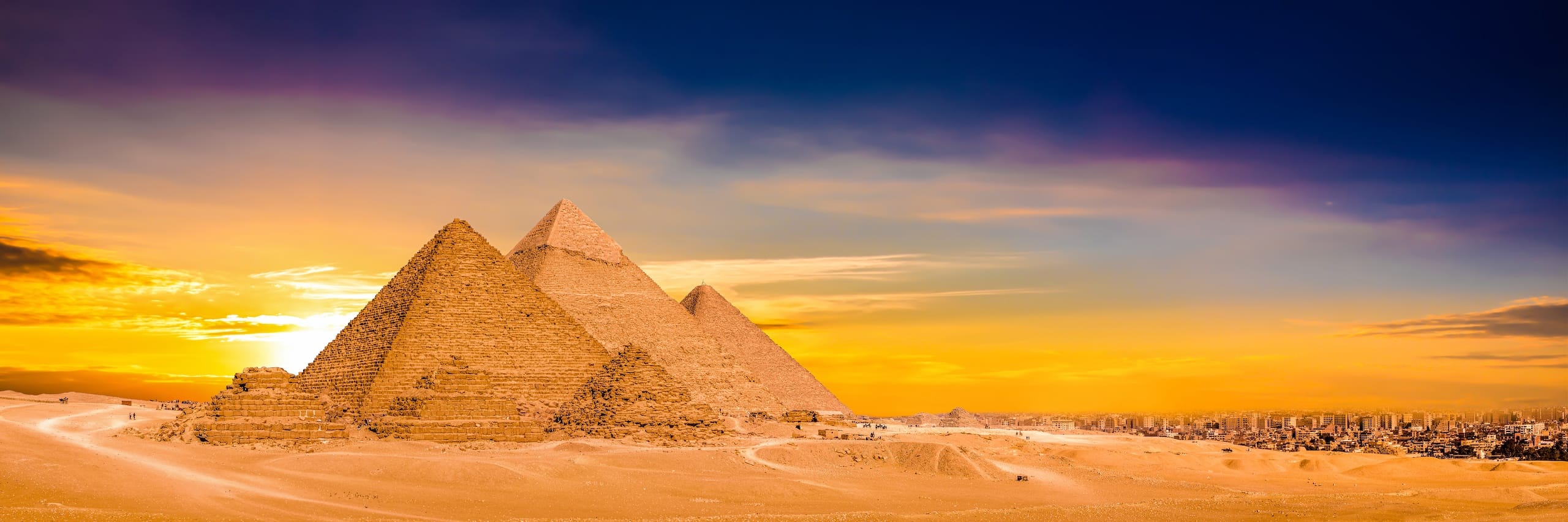
- 3 nights Cairo (Pyramids) (Half Board)
- 7 nights Cruise (Full Board or AI)
- 11 Guided Excursions Included
- (2 nights Cairo also available)
Treasures of Egypt Tour
- 5* Luxury
- 2 nights Cairo (Pyramids) (Half Board)
- 7 nights Cruise (Full Board or AI)
- 5 nights Red Sea (All Inclusive)
- 11 Guided Excursions Included
Discover More Classic Holidays




Classic Holidays when selling travel arrangements is a trading name of Co-op Travel Services Ltd. Classic Holidays is an Accredited Body Member of Co-operative Travel Consortium. (ABTA P7508, ATOL 12904).
Your Financial Protection: Book with Confidence. Classic Holidays is a Member of ABTA. ABTA and ABTA Members help holidaymakers to get the most from their travel and assist when things don’t go according to plan. We are obliged to maintain a high standard of service to you by ABTA’s Code of Conduct.
All of the flights and flight-inclusive holidays on this website are financially protected by the ATOL scheme but ATOL protection does not apply to non-flight holiday and travel services offered on this website. Classic Holidays will provide you with information on the protection that applies in the case of each holiday and travel service offered before you make your booking. If you do not receive an ATOL Certificate then the booking will not be ATOL protected. If you do receive an ATOL Certificate but all parts of your trip are not listed on it, those parts will not be ATOL protected. Please see our booking conditions for information, or for more information about financial protection and the ATOL Certificate go to: www.caa.co.uk